Canvas: Elevating Design with Elegant Handwritten Typography
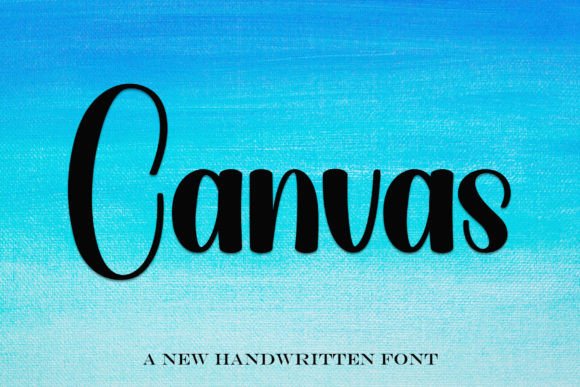
In the crowded landscape of digital design, finding a typeface that balances personality with professionalism can feel like searching for a needle in a haystack. Enter Canvas, a neat and beautiful handwritten font described by an elegant touch. It is not just another script font; it is a versatile tool designed to infuse warmth and authenticity into your favorite projects. Whether you are a seasoned graphic designer or a small business owner looking to refine your brand identity, Canvas offers an incredibly distinct and timeless style that helps create spectacular designs without overwhelming the viewer.
The Power of Authenticity in Modern Branding
We live in an era where consumers are increasingly skeptical of overly polished, corporate aesthetics. There is a growing demand for authenticity, for brands that feel human, approachable, and genuine. This is where Canvas shines. Its handwritten nature mimics the natural flow of human handwriting, bridging the gap between digital precision and organic expression.
For lifestyle bloggers, wellness coaches, and boutique retailers, using Canvas can instantly soften a brand’s voice. Imagine a skincare label that uses rigid, industrial sans-serif fonts versus one that utilizes the gentle curves of Canvas. The latter suggests care, craftsmanship, and a personal touch. It tells the customer that there is a human behind the product, someone who cares about the details. This emotional connection is invaluable in industries built on trust and personal experience.
Real-World Applications Across Industries
The versatility of Canvas allows it to transcend niche markets. While it is often associated with creative fields, its utility extends far beyond art portfolios. Here is how different professionals can leverage this typeface to enhance their visual communication.
Wedding and Event Stationery
The wedding industry thrives on romance and elegance. Canvas is practically tailor-made for invitation suites, save-the-dates, and menu cards. Its elegant touch provides the sophistication required for formal events while maintaining a sense of intimacy. When paired with a clean, minimal serif font for body text, Canvas creates a hierarchy that is both easy to read and visually stunning. Couples often seek designs that feel unique to their story, and the distinct style of Canvas helps achieve that bespoke feel without the cost of custom calligraphy.
Packaging and Product Labels
In retail, shelf appeal is everything. Artisanal food producers, candle makers, and craft breweries often struggle to convey the quality of their handmade products through packaging. Canvas adds a layer of premium aesthetic to labels. Consider a small-batch honey jar or a hand-poured soy candle. Using Canvas for the product name or key descriptors like "Handmade" or "Organic" reinforces the artisanal narrative. It suggests that the product was crafted with attention to detail, much like the font itself.
Social Media and Digital Content
Content creators on platforms like Instagram and Pinterest know that typography can make or break a post. Canvas is excellent for creating quote graphics, story highlights, and promotional banners. Because it is neat and legible, it works well even on smaller mobile screens, provided it is used at an appropriate size. Influencers in the fashion, travel, and home decor niches can use Canvas to overlay text on images, adding context without detracting from the visual beauty of the photograph. It adds a magazine-editorial feel to social feeds, helping creators stand out in a saturated market.
Design Considerations for Best Results
While Canvas is a powerful tool, like any design element, it requires thoughtful application. Understanding its strengths and limitations ensures that your designs remain effective and professional.
- Legibility is Key: Handwritten fonts can sometimes sacrifice readability for style. Canvas is designed to be neat, but it is still best suited for headlines, short phrases, or accents. Avoid using it for long paragraphs of body text, as this can strain the reader’s eyes. Instead, pair it with a highly readable sans-serif or serif font for longer content.
- Whitespace Matters: Elegant fonts thrive in spacious layouts. Crowding Canvas with other elements can diminish its impact. Allow the letters to breathe by incorporating ample whitespace around your text. This enhances the feeling of luxury and calm associated with the font.
- Color Pairing: The color you choose for Canvas can dramatically alter its mood. Deep navy or charcoal gray conveys professionalism and stability, while soft pastels like blush pink or sage green evoke warmth and femininity. Gold foil effects, often used in printing, look particularly spectacular with Canvas, adding a tactile dimension to physical materials.
Who Benefits Most from Using Canvas?
Different users will find value in Canvas for different reasons. Freelance designers appreciate it for its ability to quickly elevate a mockup, giving clients a clear vision of a high-end final product. Small business owners benefit from the consistency it brings to their marketing materials, allowing them to maintain a cohesive brand identity across business cards, websites, and packaging.
Even non-designers can benefit from incorporating Canvas into their workflows. Tools like Canva or Adobe Express often support custom font uploads, making it accessible for entrepreneurs who handle their own marketing. By using a high-quality font like Canvas, they can achieve a polished look that rivals professionally designed assets, saving time and resources while boosting brand credibility.
Navigating Potential Limitations
It is important to recognize that Canvas may not be suitable for every project. Its elegant and handwritten nature might clash with brands that aim for a futuristic, tech-heavy, or ultra-modern industrial image. For example, a cybersecurity firm or a heavy machinery manufacturer might find the softness of Canvas incongruent with their brand values of strength and impenetrability. In such cases, a more geometric or structured typeface would be more appropriate.
Additionally, cultural context matters. While handwritten fonts are generally perceived as friendly and approachable in Western markets, designers working on global campaigns should ensure that the style aligns with local aesthetic preferences and readability standards. Testing designs with target audiences is always a prudent step before finalizing any major branding overhaul.
Creating Spectacular Designs with Timeless Style
Ultimately, the goal of using Canvas is to fall in love with its incredibly distinct and timeless style. It is not just about following trends; it is about creating work that resonates on a human level. By integrating this font into your design toolkit, you open up new possibilities for storytelling. You can convey warmth, elegance, and creativity with just a few words.
Whether you are designing a logo for a new startup, crafting a heartfelt invitation, or updating your social media templates, Canvas offers the flexibility and beauty needed to make your project stand out. It invites you to slow down, appreciate the details, and create something that feels both personal and professional. In a world of fast-paced digital noise, the elegant touch of Canvas provides a moment of clarity and beauty, reminding us that good design is not just seen, but felt.
As you explore the potential of this font, experiment with different pairings, layouts, and colors. Let the unique characteristics of Canvas guide your creative decisions. You may find that it becomes go-to resource for adding that special spark to your favorite projects, transforming ordinary designs into spectacular visual experiences that leave a lasting impression.